
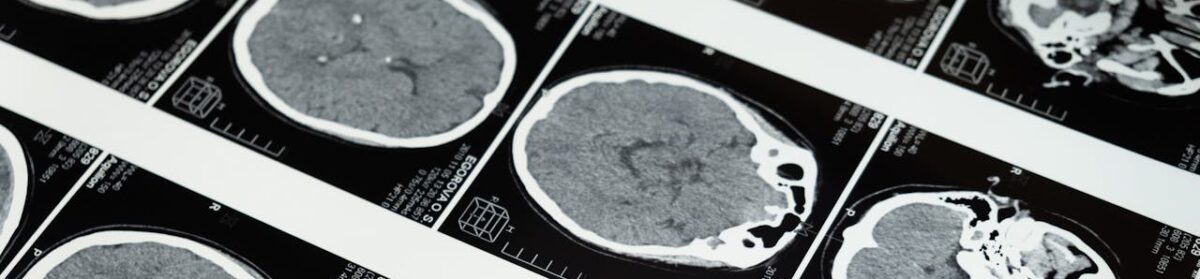
Omega-3 fatty acids may have potential benefits for depression and cognitive functions, including counterfactual thinking (the ability to imagine alternative outcomes to past events), due to their impact on brain health. Here’s how they might help:
Mechanisms of Omega-3 on Cognitive Function:
- Neuroplasticity:
- Omega-3s, particularly DHA (docosahexaenoic acid), are critical for maintaining neuronal membranes and promoting synaptic plasticity, which is essential for complex thought processes, including counterfactual thinking.
- Reduced Inflammation:
- Omega-3s have anti-inflammatory effects in the brain, which may protect against cognitive decline and improve mental flexibility.
- Improved Neurotransmitter Function:
- EPA (eicosapentaenoic acid) and DHA support serotonin and dopamine function, which can enhance mood and cognitive processes like imagination and problem-solving.
- Enhanced Executive Function:
- Omega-3 supplementation has been linked to improved executive functions, such as planning, decision-making, and adaptive thinking, all of which are involved in counterfactual reasoning.
Evidence:
While there is limited direct research on omega-3s and counterfactual thinking specifically, studies have shown:
- Improved cognitive flexibility in individuals with higher omega-3 intake.
- Benefits for mood and mental health, which can indirectly support clearer and more adaptive thinking.
Dosage and Sources:
- Recommended daily intake: 1-3 grams of combined EPA and DHA from supplements or dietary sources.
- Rich sources: Fatty fish (salmon, mackerel, sardines), fish oil supplements, or algae-based omega-3s for vegetarians.
Practical Advice:
If you’re looking to support cognitive functions like counterfactual thinking, a balanced approach combining omega-3 supplementation, mental exercises (like problem-solving tasks), and a healthy lifestyle may yield the best results.